
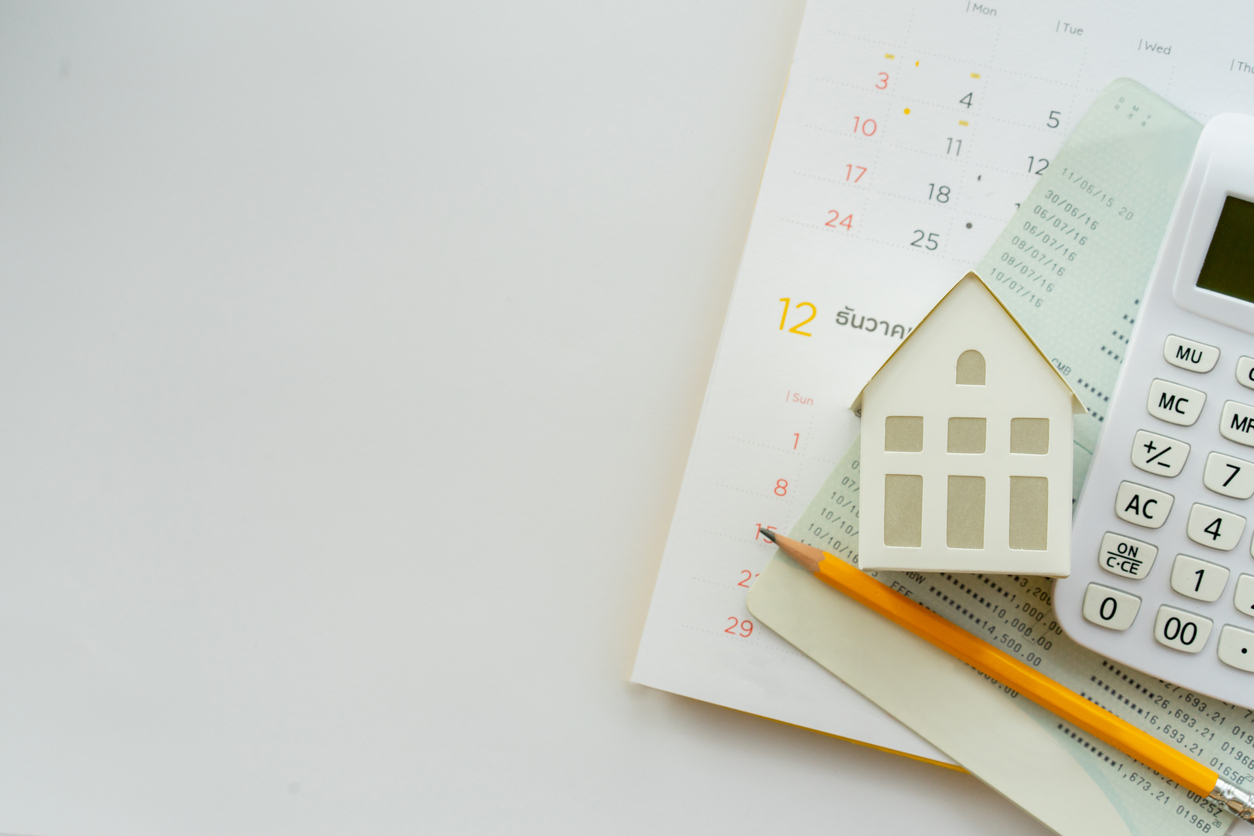
For many retirees, downsizing isn’t just about moving to a smaller home — it’s about creating a lifestyle that is easier, more affordable, and more aligned with the life you want to live now.
The decision to downsize often comes after years (or decades) of maintaining a home that’s bigger than you need. Kids grow up and move out, entire rooms sit unused, and the upkeep begins to feel more like a chore than a joy.
If you’ve ever felt like your home is controlling your time, energy, or money, it might be time to explore whether downsizing could open new opportunities for you.

The Financial Advantages
One of the most compelling reasons to downsize is the potential to improve your financial position.
Lower Monthly Expenses
A smaller home often means lower property taxes, reduced utility bills, and less money spent on repairs and maintenance.
Unlocking Home Equity
Selling your larger home can free up significant equity — money that can be invested, used for travel, or set aside for healthcare needs. For some retirees, this creates an entirely new layer of financial security.
Reduced Risk to Purchasing Power
When more of your wealth is in liquid assets rather than tied up in real estate, you have more flexibility to adjust to rising costs in retirement.

The Lifestyle Benefits
Downsizing isn’t just about the dollars — it’s also about the freedom that comes from having fewer responsibilities.
- Less to clean — Fewer rooms mean less time spent vacuuming, dusting, or scrubbing.
- Less maintenance — Smaller yards or no yard at all reduce physical work and upkeep costs.
- More flexibility — With less space to manage, you can spend more time on hobbies, travel, and relationships.
Many retirees also find that downsizing is a chance to live in a location better suited to their current lifestyle — whether that means moving closer to family, choosing a walkable community, or relocating to a warmer climate.
The Emotional Challenge
While the benefits are clear, the process can be emotionally difficult. Your current home may hold decades of memories, and letting go of possessions can be overwhelming.
Start by reframing the move as an opportunity, not a loss. You’re not giving up your past — you’re making room for your future. Keeping the most meaningful items and releasing what no longer serves you allows you to create a new environment that supports your life now.
Real-Life Example: Linda’s Story
Linda, a retired teacher, loved her three-bedroom home but found the yard work exhausting. She realized she was only using half the space but still paying for the entire home’s upkeep.
After months of consideration, Linda sold her house and bought a cozy two-bedroom condo near her daughter. Her expenses dropped, her free time increased, and she now enjoys walking to local shops and community events.
“I thought I’d miss my garden,” Linda says, “but now I have more time to enjoy nature without having to maintain it myself.”
Key Questions to Ask Before Downsizing
If you’re thinking about downsizing, consider:
- What’s my primary goal? Is it financial relief, less upkeep, a new location, or all three?
- Where do I want to live next? Do you want to stay in your current area or move closer to family, friends, or amenities?
- How much space do I really need? Be realistic about what you use daily.
- What will I do with my belongings? Have a plan for selling, donating, or giving items to family.
- Will this move support my long-term health? Consider accessibility and proximity to medical care.
Making the Transition Easier
Here are some ways to simplify the downsizing process:
- Start early — Begin decluttering before you’re ready to list your home.
- Focus on essentials — Keep the items that are truly important or functional.
- Get help — Work with a real estate agent familiar with senior moves, or hire a downsizing specialist.
- Trial run — Rent in a smaller space before committing to a purchase.
Downsizing as a Fresh Start
For many retirees, downsizing becomes a doorway to a new chapter filled with freedom and opportunity. Less house often means more life — more travel, more hobbies, and more time for the people and activities you love.
If you’re feeling weighed down by your home, it may be time to consider what you could gain by letting go.
If you’d like help deciding whether downsizing is right for you, I can guide you through both the financial and emotional sides of the decision.
Visit WealthyChoices.com to learn more and discover my book, Your Home Sweet Home: How to Decide Whether You Should Stay or Move in Retirement.