
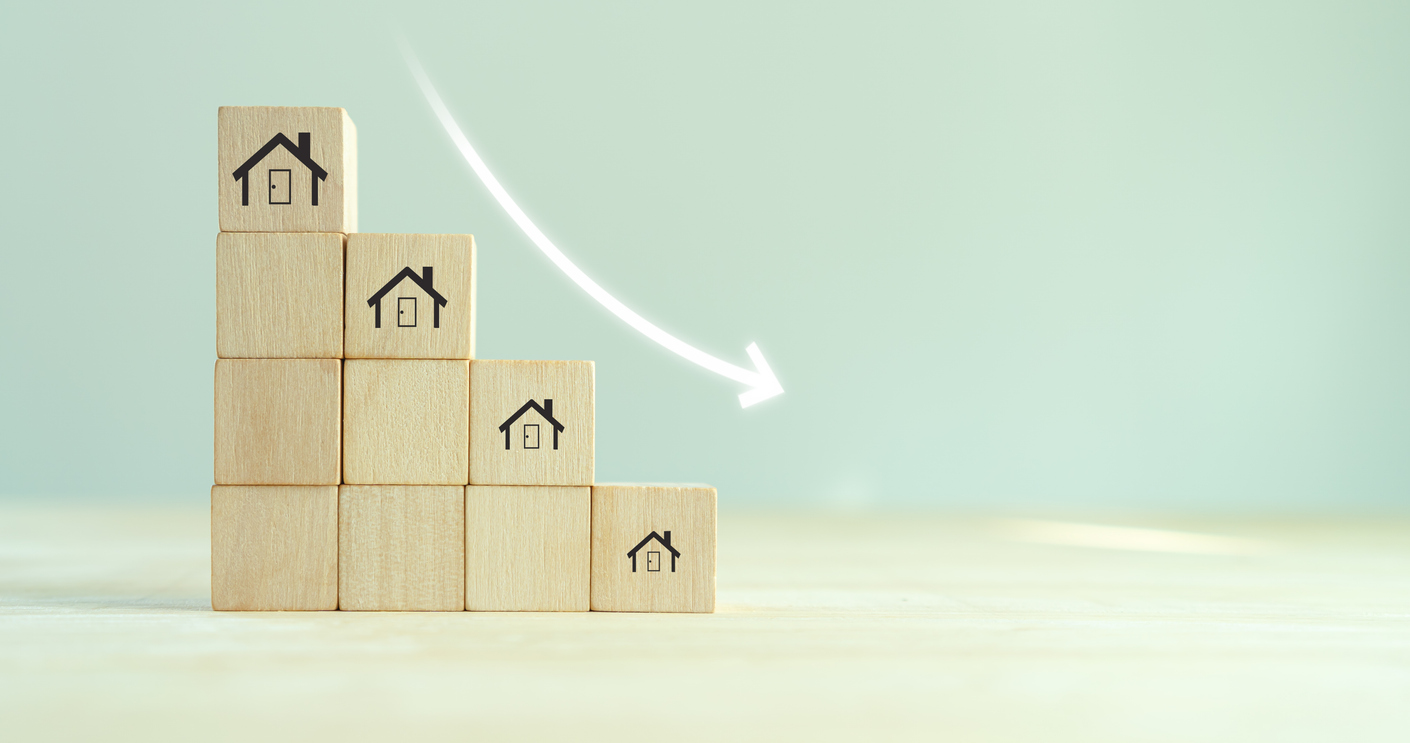
For many retirees, the family home is full of memories — birthday parties, holiday dinners, and the everyday moments that shaped decades of life. But as the years pass, the same home that once fit perfectly can start to feel too big, too empty, or too demanding.
Downsizing isn’t just about moving to a smaller space. It’s about making a deliberate choice to live in a home that matches your current lifestyle, priorities, and resources. Whether that means saving money, reducing maintenance, or finding a location that better supports your daily life, downsizing can open the door to new opportunities in retirement.

Why Downsizing Is Often the Right Move in Retirement
Over the years, I’ve seen three main reasons retirees choose to downsize:
- Reducing Costs
Fewer rooms often means smaller utility bills, lower property taxes, and less money spent on repairs and upkeep. These savings can add up quickly — freeing funds for travel, hobbies, or investing in experiences.
- Simplifying Maintenance
A smaller home means less to clean, repair, and manage. Instead of spending your weekends tackling projects, you can spend that time on what truly matters to you.
- Shifting Priorities
Many retirees want to live closer to family, medical care, or community activities. Downsizing often makes it easier to move to a location that better supports your desired lifestyle.

The Emotional Side of Downsizing
It’s normal to feel a mix of excitement and loss when considering a smaller home. You’re not just moving your furniture — you’re making decisions about belongings, routines, and the spaces that have shaped your identity.
Some people find that parting with items they no longer need is liberating. Others struggle with the sentimental value attached to their possessions. Both feelings are valid. The key is to approach downsizing as an intentional process, not a rushed decision.

How to Tell If It’s Time to Downsize
Here are some questions to help you decide whether your current home still works for you:
- Do you use all the rooms in your house regularly?
- Are you spending more time and money maintaining your home than enjoying it?
- Is your home’s layout practical for aging in place?
- Could you benefit financially from selling and moving into a smaller property?
- Would moving allow you to be closer to people and activities you value?
If you answered “yes” to two or more of these questions, downsizing may be worth serious consideration.
A Real-World Example: Mike and Carol’s Move
Mike and Carol had lived in their four-bedroom home for 35 years. Once their kids moved out, they noticed the upstairs bedrooms were gathering dust, and they spent nearly every Saturday on yard work.
When they started crunching the numbers, they realized they could sell their home, buy a two-bedroom condo with no yard, and still have money left over to add to their retirement savings. The move not only improved their finances — it freed their weekends for biking, volunteering, and visiting their grandchildren.

The Downsizing Process: Steps to Make It Easier
- Start with a Vision
Picture the lifestyle you want in retirement. Is it travel-focused? Family-centered? Hobby-driven? This will help you determine what kind of home will best support your goals.
- Declutter Before You Move
Go room by room, deciding what to keep, donate, or sell. Focus on the items you use and love most.
- Choose the Right Location First, Size Second
A smaller home in the wrong location won’t feel like a win. Make sure your new location supports your daily needs and desires.
- Consider Future Needs
Even if you’re active now, think about accessibility, nearby medical facilities, and public transportation.
- Work with Professionals
Real estate agents, financial advisors, and moving specialists can help you navigate the process with less stress and more confidence.
Common Downsizing Myths — Debunked
- “I’ll lose my independence.”
In reality, a smaller home can actually increase independence by reducing the burdens that make homeownership overwhelming.
- “I have to give up all my things.”
Downsizing doesn’t mean you have to live in an empty space. It means choosing what truly matters and letting go of what doesn’t.
- “It’s only about money.”
While financial benefits are real, most of my clients say the greatest reward is the freedom that comes from less maintenance and more time for what they love.

The Big Picture
Your home should fit your life — not the other way around. If your current house feels too large, too expensive, or too demanding, it may be time to consider a move that aligns better with your retirement goals.
Downsizing is a deeply personal decision, and there’s no one-size-fits-all answer. But with the right planning, it can be the first step toward a more intentional, fulfilling retirement.
If you’re starting to wonder whether your home is still the right size for your life, I can help you explore your options with clarity and confidence.
Visit WealthyChoices.com to learn more about working with me and to explore my book, Your Home Sweet Home: How to Decide Whether You Should Stay or Move in Retirement.
